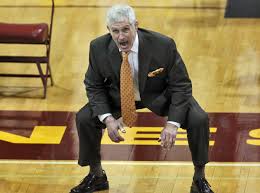
Reports circulating across wrestling communities have brought attention to the alleged passing of legendary wrestling figure J. Robinson, also known as Jay J Robinson. The news has sparked widespread reactions from fans, former athletes, and members of the wrestling fraternity who recognize him as one of the most influential coaches and competitors in the history of American wrestling.
J. Robinson built a remarkable legacy both as a competitor and as a coach. Born Jay Paul Robinson, he rose through the ranks of amateur wrestling with a reputation for discipline, toughness, and technical excellence. He competed at the highest levels of the sport, representing the United States internationally and earning recognition as a world-class Greco-Roman wrestler. His athletic career included participation in major global competitions, including the Olympic stage, where he showcased his commitment to elite performance and national pride.
After retiring from competition, Robinson transitioned into coaching, where he would leave an even greater mark on the sport. He served as an assistant coach at powerhouse programs, including time under legendary figures such as Dan Gable during the golden era of Iowa wrestling. His deep understanding of wrestling technique, conditioning, and mental toughness made him a respected voice in the sport.
Robinson later became head coach of the University of Minnesota wrestling program, a position he held for three decades. During his tenure, he transformed Minnesota into a national powerhouse, guiding the team to multiple NCAA team championships in 2001, 2002, and 2007. Under his leadership, the program produced numerous All-Americans and national champions, cementing his reputation as one of the most successful collegiate wrestling coaches in U.S. history.
Beyond the medals and titles, J. Robinson was known for his intense coaching philosophy, often emphasizing discipline, accountability, and mental resilience. His training camps and programs influenced thousands of young wrestlers across the United States, many of whom went on to achieve success at collegiate and international levels. His approach to wrestling was not only about physical strength but also about building character and leadership.
In addition to his coaching accomplishments, Robinson received numerous honors throughout his career. He was inducted into the National Wrestling Hall of Fame in 2005 as a Distinguished Member, recognizing his lifelong contributions to the sport. He also earned multiple “Coach of the Year” awards and remained a respected figure in wrestling organizations nationwide.
If confirmed, the passing of J. Robinson marks the end of an era in American wrestling. His influence extends far beyond statistics and championship banners, he shaped generations of athletes who carry forward his teachings and competitive spirit. Tributes continue to emerge from across the wrestling world, celebrating a man whose life was dedicated to excellence, discipline, and the advancement of the sport.
As the wrestling community reflects on his legacy, J. Robinson’s impact remains deeply embedded in collegiate wrestling history. Whether remembered as a fierce competitor, a championship-winning coach, or a mentor to thousands, his name will continue to resonate in the sport for decades to come.